 Our Location
 (843) 903-3300
 (843) 896-6558

If you’re wondering whether braces feel sore and what the first week really looks like, here’s the honest answer: getting braces placed isn’t uncomfortable, but mild soreness kicks in a few hours later. Most people describe it as a dull ache, not a sharp sensation, that peaks around days 2-3 and fades by the end of week one. Dr. Juan and our team walk you through every step so you know what to expect from start to finish.
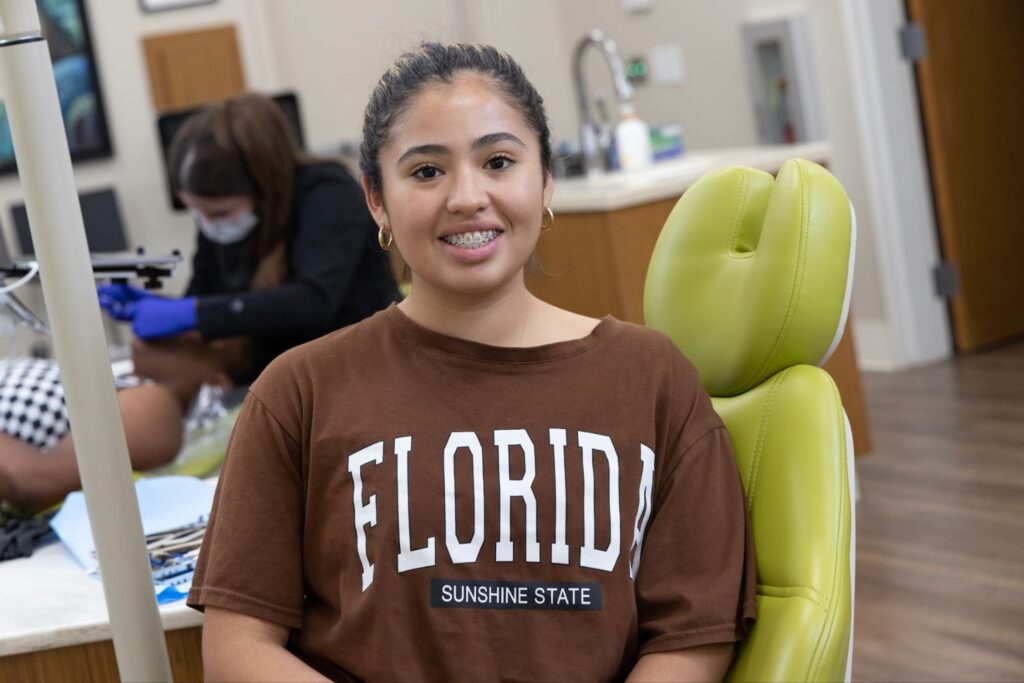
Do Braces Actually Feel Sore? The Honest Answer
Getting braces put on doesn’t hurt. The visit itself is comfortable, and you’ll walk out of our office feeling normal. Soreness shows up a few hours later, once your teeth start responding to the gentle pressure of the archwire.
Most people rate the discomfort around a 3-5 out of 10. It’s a dull, achy feeling, kind of like your teeth are tender when they touch. Soreness usually peaks on days 2-3 and eases up by days 5-7.
Everyone’s experience is a little different. Teens and adults tend to report similar levels of soreness, and your personal tolerance plays a big role. Here’s the honest truth: the first week is the most uncomfortable stretch of your entire treatment. After that, your mouth adjusts, and the sensation becomes background noise. We give you a soft-food list and relief tips before you leave our Myrtle Beach office, so you’re prepped and ready for week one.
A Day-by-Day Look at Your First Week in Braces
Wondering how braces soreness plays out day by day? Here’s a realistic timeline of what most people experience during the first week. Your teeth are reacting to steady, light pressure from the archwire, which triggers bone remodeling so your teeth can shift into place.
- Day 1, fitting day: Placement feels comfortable. You’ll notice pressure and the new brackets on your teeth, but there’s no soreness yet. Tip: eat a normal meal right after your visit before the ache sets in.
- Day 2: Soreness starts creeping in. Your teeth feel tender, especially when they touch. Stick to soft foods and take ibuprofen or acetaminophen every 4-6 hours as directed on the label.
- Day 3: This is often the peak. The dull ache is at its strongest, and biting down can feel uncomfortable. Keep up with cold foods, salt-water rinses, and your relief schedule.
- Day 4: Noticeable relief sets in. The ache is still there but much milder. Most people start adding firmer foods back into their meals around now.
- Day 5: Soreness drops significantly. You can usually eat most of your normal diet, with a little care around very crunchy or sticky items.
- Days 6-7: Teeth feel normal again. The focus shifts to getting used to the brackets rubbing against your cheeks and lips. A little orthodontic wax goes a long way here.
The soreness is temporary, and once your mouth adjusts, braces fade into the background of your day.
How to Ease Braces Soreness During Week One
The fastest way to ease braces soreness during week one is to combine over-the-counter relievers, cold soft foods, orthodontic wax, and warm salt-water rinses. These simple tools knock down soreness, soothe irritated gums, and protect your cheeks from new brackets. Here’s what actually helps during the first seven days.
- Take relievers on schedule. Ibuprofen or acetaminophen, taken 30 minutes before your fitting visit and every 4-6 hours as directed, keeps soreness manageable. Follow the dosage on the label.
- Eat cold, soft foods. Smoothies, yogurt, mashed potatoes, applesauce, scrambled eggs, pudding, and soft pasta are your best friends. Cold temperatures naturally numb sore areas.
- Use orthodontic wax. If a bracket is poking your cheek or lip, roll a small piece of wax into a ball and press it over the sharp spot. We send you home with wax from our office on fitting day.
- Rinse with warm salt water. Mix 1 teaspoon of salt in 8 ounces of warm water and swish 2-3 times a day. It soothes irritated gums and helps any small sores heal faster.
- Try cold therapy. Sip ice water, enjoy popsicles, or hold a cold compress against your cheek for 10-15 minutes at a time. Cold reduces inflammation and dulls the ache.
- Spot-treat with oral numbing gel. Products like Orajel can be dabbed onto sore gum areas for quick, targeted relief when you need it most.
Stacking two or three of these approaches works better than relying on just one. Within a few days, you’ll barely need them at all.
First Day vs. Day 3 vs. Week 2: What Each Stage Feels Like
Not sure how the first day stacks up against day 3 or week 2? This side-by-side comparison shows you what to expect at each stage of your first few weeks in braces.
| Stage | Soreness Level (1-10) | What You’ll Feel | What to Eat |
|---|---|---|---|
| Fitting day | 0/10 | No soreness. Slight pressure and the odd sensation of brackets on your teeth. | Normal meal right after your visit |
| Days 2-3 | 5/10 | Peak soreness. Teeth feel tender and a little loose when you bite down. | Soft, cold foods only |
| Day 5 | 2/10 | Mild awareness. Teeth feel mostly normal with occasional tenderness. | Most normal foods return |
| Week 2+ | 0-1/10 | Braces feel like part of your mouth. Occasional wax for cheek irritation. | Full normal diet; avoid sticky and very hard foods |
| After adjustments | 2-3/10 | 1-2 days of mild soreness, much less intense than the first fitting. | Soft foods for a day or two |
The pattern is pretty predictable: a short spike of discomfort, followed by quick recovery. Each adjustment visit afterward is much easier than that first week. By the time you hit week two, you’ll wonder what you were worried about.
What Affects How Sore Your Braces Will Feel
Not everyone feels braces soreness the same way. Several factors influence how intense your first week will be and how quickly you bounce back.
- Personal tolerance. Some people barely notice the ache, while others feel every bit of it. Your body is unique, and that’s normal.
- How much your teeth need to move. If you have significant crowding or a bite that needs major correction, the initial pressure can feel stronger than for someone with minor alignment concerns.
- Type of braces. Traditional metal, self-ligating, and clear braces all produce similar first-week soreness. The bracket style matters less than the fact that your teeth are moving into their new positions.
- Age. Younger folks often adapt faster to the sensation, though adults do just fine with a little extra prep and planning.
- Your prep work. Taking a reliever before your visit, stocking up on soft foods, and having wax ready makes a real difference. The more prepared you are, the less dramatic that first week feels.
Dr. Juan reviews all of this with you at your free consult so you know what to expect based on your specific case and goals.
When Braces Soreness Isn’t Normal: Signs to Call Us
Most braces soreness is predictable and fades on its own. But there are a few situations where you should reach out to Dr. Juan and our team instead of waiting it out. We’re here to help and happy to answer any question, big or small.
- Sharp, severe, or worsening soreness after day 5. The usual pattern is peak soreness early, then steady improvement. If things get worse instead of better, give us a call.
- A broken bracket or wire poking your cheek. Cover the sharp edge with wax, then contact our team at (843) 903-3300 to schedule a quick visit with Dr. Juan.
- Mouth sores that don’t heal in 7-10 days. Small irritation spots are normal early on, but persistent sores need a professional look from our team.
- Signs of infection. Swelling, fever, or pus around your gums are red flags that need prompt attention. Don’t wait; call us right away.
Not sure if what you’re feeling is normal? Seabreeze Orthodontics offers virtual consults so you can get quick answers from home without a trip into our office.
Frequently Asked Questions About Braces Soreness
What’s the most uncomfortable stage of braces?
The most uncomfortable stage is days 2-3 after your initial placement, when soreness peaks at around a 5 out of 10. After that first week, your teeth adjust and the ache fades. Follow-up adjustment visits produce much milder soreness, usually lasting only 1-2 days and feeling significantly less intense than the original fitting.
What happens after 1 week of braces?
After one week with braces, the initial soreness is usually gone and your teeth feel normal again. You’ll have adapted to eating, talking, and brushing with brackets and wires in place. Any remaining discomfort is typically from brackets rubbing against your cheeks or lips, which orthodontic wax solves easily.
How bad is braces soreness on a 1-10 scale?
Most people rate braces soreness between 3 and 5 out of 10 at its peak during days 2-3. It’s a dull, achy feeling, not sharp or severe. With over-the-counter relievers, cold soft foods, and salt-water rinses, you can keep the discomfort in a very manageable range throughout the first week.
Is day 3 the worst day for braces?
For many people, yes. Day 3 is often the peak of braces soreness, though some folks peak on day 2 instead. Either way, by day 4 you’ll notice clear improvement, and by day 5 you’re typically eating most normal foods again. The discomfort is temporary, predictable, and short-lived.
Does getting braces placed feel uncomfortable?
No, the placement itself is comfortable. Dr. Juan cleans and dries your teeth, applies a special adhesive, attaches each bracket, and threads the archwire through. You’ll feel pressure and some odd sensations, but no actual soreness during the visit. The ache starts a few hours later as your teeth begin to respond to the gentle pressure.
How long does soreness last after tightening?
Soreness after an adjustment visit usually lasts 1-2 days and is noticeably milder than your first week with braces. Most people describe it as a 2-3 out of 10. Taking a reliever before your visit and eating soft foods for a day or two is usually all you need to stay comfortable.
Ready to Start Your Smile?
The first week with braces isn’t as scary as it sounds, and with the right prep, you’ll breeze through it without a second thought. At Seabreeze Orthodontics in Myrtle Beach, SC, Dr. Juan and our team are here to make you smile every step of the way. You’re more than just another smile; you’re part of the family.
Ready to discover your smile? Book your free consult at our Myrtle Beach office today, or call us at (843) 903-3300. We can’t wait to meet you and help you start your smile.